Central
The broadest canvas.
From linksland to heathland
and everything in between.
From the unforgiving links of Carnoustie to the heathland grandeur of Gleneagles, Perthshire and Angus offer the broadest variety of exceptional golf in Scotland. Championship links on the Angus coast. Inland heathland gems in Perthshire.
The region bounded by the Tay to the north, the Forth to the south, and the Highland Line to the west contains more variety of exceptional golf than any comparable area of Scotland. Gleneagles - three championship courses on a moorland estate in the Ochil Hills - is the most famous inland golf destination in the country. Carnoustie, on the Angus coast, is the most demanding course on The Open rota. Between them lie courses - Blairgowrie, Montrose, Panmure - that receive a fraction of the attention but play to a quality that would attract significant notice elsewhere.
Perth sits at the junction of the main routes from Edinburgh, Glasgow, Dundee, and Inverness. Driving times from a Perthshire base to every course in the region are more manageable than from anywhere else in Scotland - making it the most coherent hub for those planning a broad multi-region itinerary.
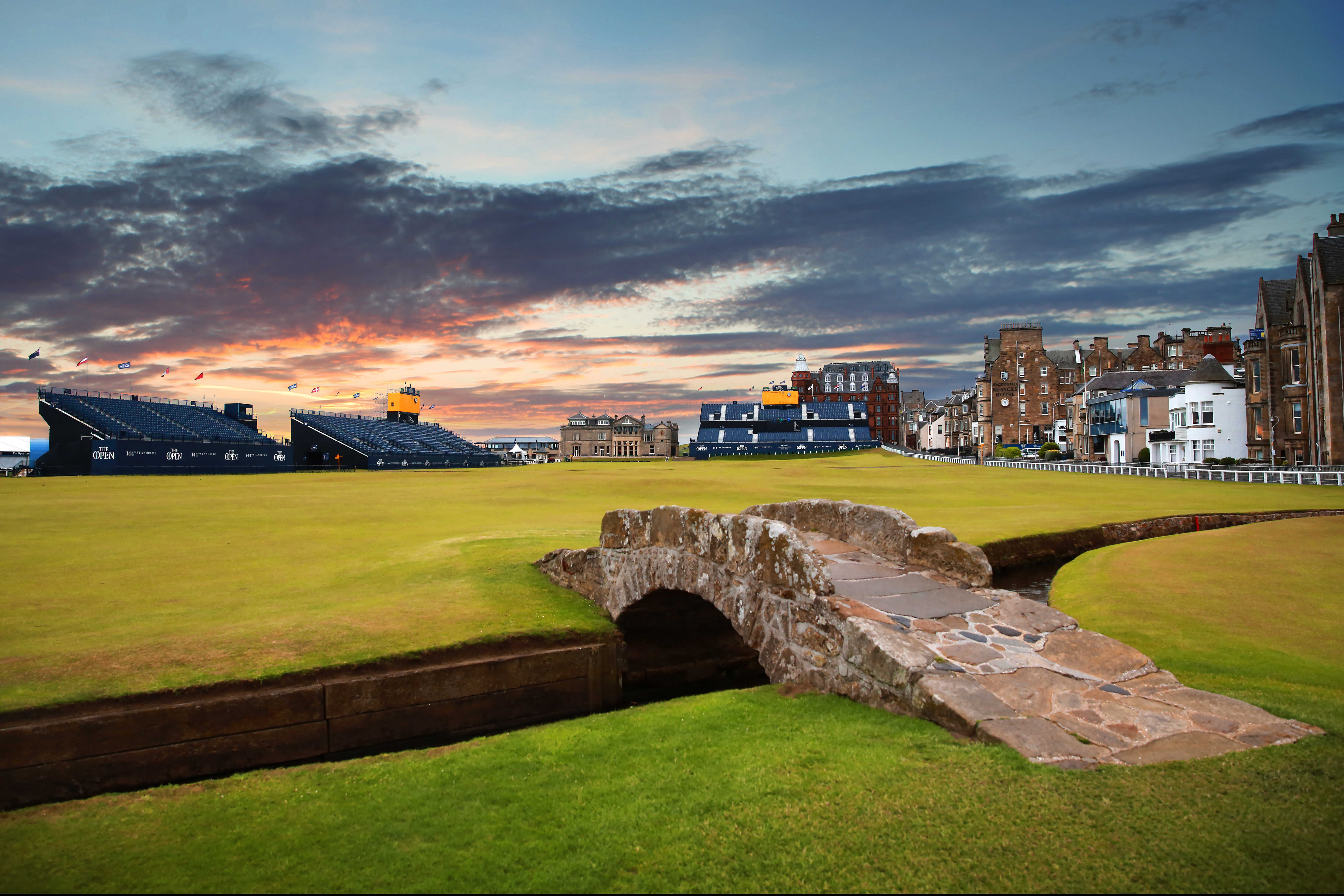
Carnoustie
The most demanding links on The Open rota. Carnoustie makes no concessions to comfort or aesthetics. It is a test, constructed from the natural severity of the links land and a wind off the North Sea that rarely relents. Jean van de Velde, 1999. The Barry Burn, crossing the 17th and 18th fairways, has ended more championship ambitions than any other feature in Scottish golf. Carnoustie hosted The Open in 2018. It will return.
Signature hole — 18th, Home: A par four of 499 yards with the Barry Burn crossing the fairway twice. The drive must thread between the burn and a cluster of bunkers; the approach crosses the burn again to a green with the grandstand behind. The most demanding finishing hole in links golf.
Pair with: Arbikie The Signature
Two of the most uncompromising things in their respective categories, within ten miles of each other. The Signature was distilled using barley grown in the distillery's own Angus fields and matured a full ten years in Maker's Mark bourbon casks. It has the weight and seriousness to match what Carnoustie requires over eighteen holes. Neither offers comfort or shortcut. Both are more rewarding for it.
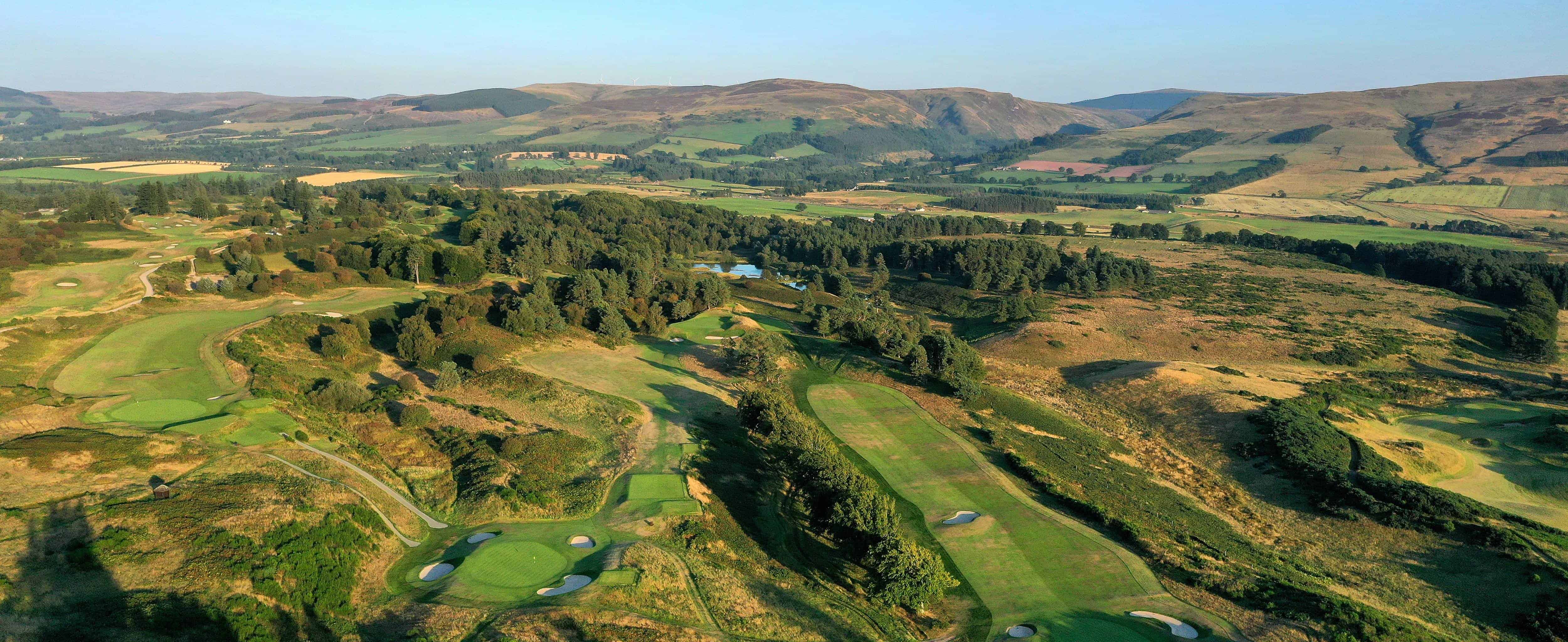
Gleneagles (King's)
James Braid's 1919 design on a moorland estate in the Ochil Hills - the historic heart of a resort that also hosts the PGA Centenary Course and the Queen's Course. The King's is the course most serious golfers come for: long views across the Highland Line, heather and birch framing every hole, and a design intelligence that Braid exercised nowhere better. The hotel, one of Scotland's great resort hotels, provides an infrastructure that makes Gleneagles genuinely accessible as a multi-day base.
Signature hole - 13th, Braid's Brawest: Named by Braid himself as his finest hole. A downhill drive to a fairway bending left around a ridge, then a short iron to a green framed by heather and birch. The view from the tee, across the valley to the Highland Line, is among the finest in inland Scottish golf.
Pair with: Edradour 10 year old
Edradour sits in the hills above Pitlochry, fifteen miles north through the Sma' Glen. Scotland's smallest traditional distillery, producing in such small quantities that the whisky retains an intimacy that larger operations cannot replicate. The King's Course has the same quality: grand in scale, intimate in character, belonging entirely to its Perthshire setting.
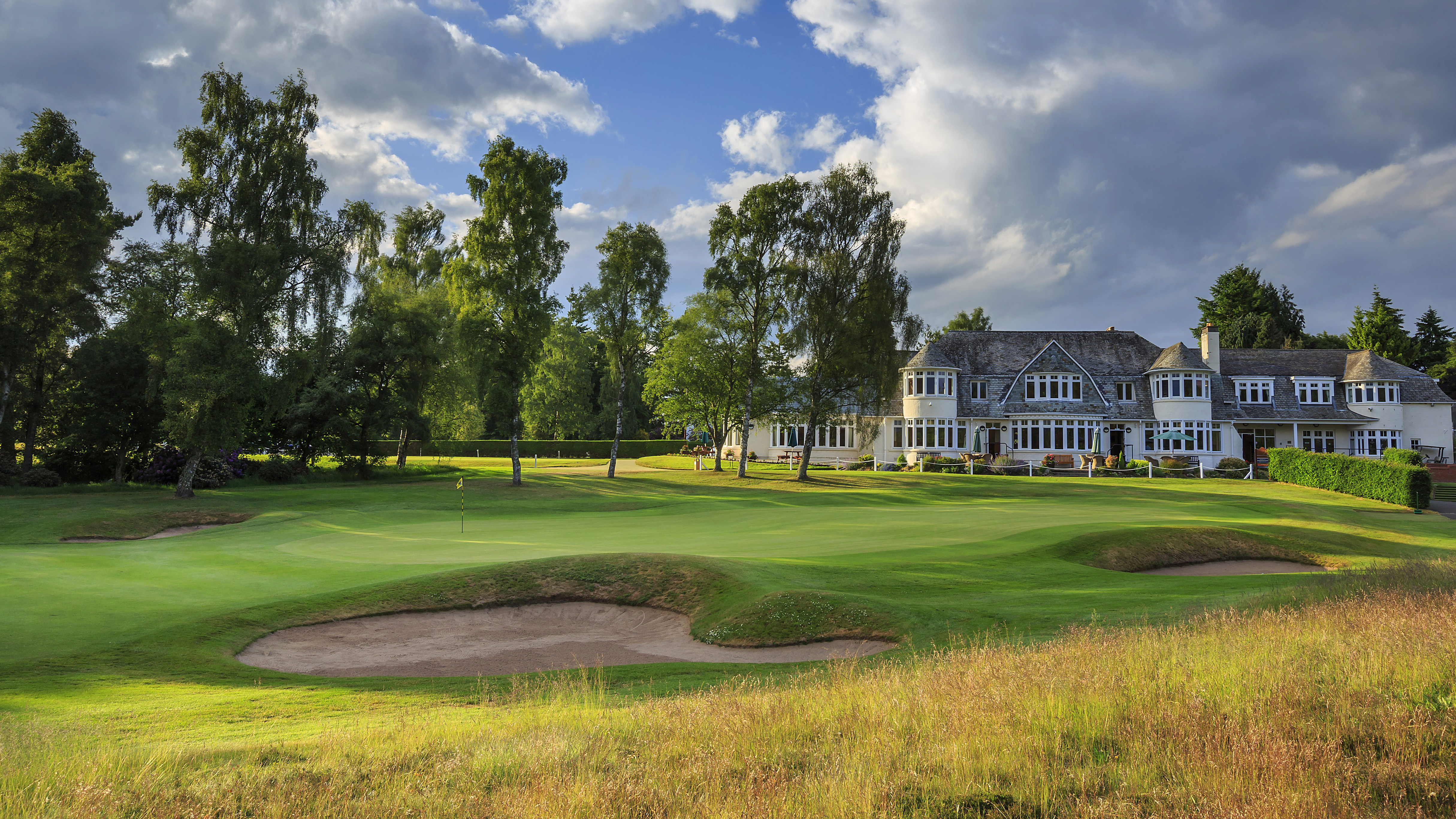
Blairgowrie (Rosemount)
In the Perthshire countryside north of Perth, Blairgowrie's Rosemount course is a heathland design of exceptional quality - long, forested, with the feel of a private estate rather than a public-facing club. Ranked consistently in Scotland's top twenty, it attracts a devoted following among those who value precision over power and prefer heathland to links. The azaleas lining several fairways in late May are a specific reason to time a visit.
Signature hole - 17th: A par four through a corridor of mature pine and birch to a green tucked in the trees. The tee shot requires commitment to a partly obscured line; the approach rewards absolute accuracy. Course management as much as ball-striking.
Panmure
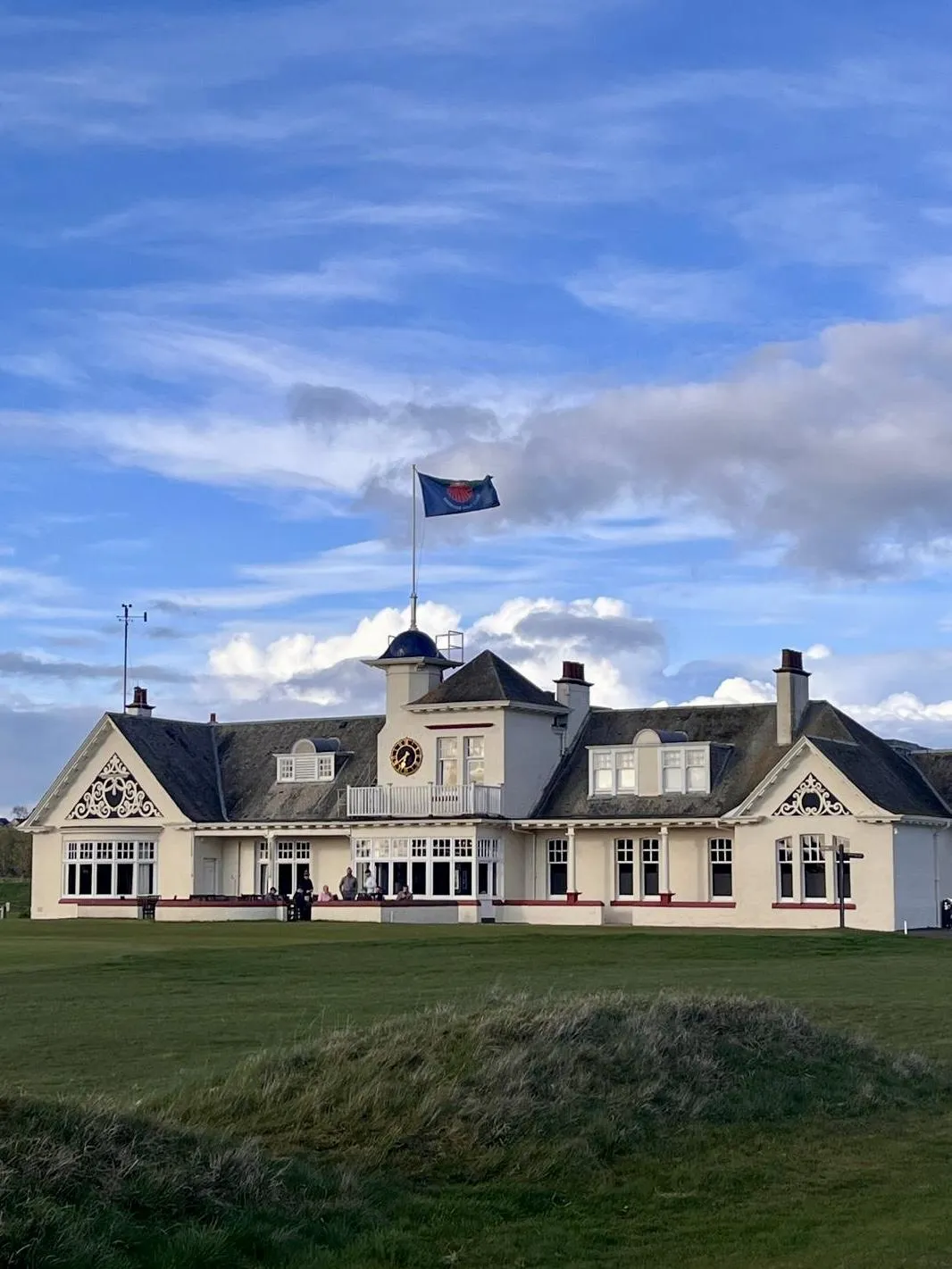
Neatly positioned on the Angus coastline, Panmure is bookended by Carnoustie and Monifieth in a fine stretch of linksland golf. It is a links of real distinction consistently overlooked in favour of its famous Open rota neighbour. Ben Hogan prepared for the 1953 Open at Panmure - the only Open he entered and won, at Carnoustie that year - and the course holds that connection with quiet pride. Private yet understated, the Panmure clubhouse experience is rivalled only by Muirfield in terms of hospitality and history, and is available through prior arrangement with Copper & Green for those who seek it out.
Signature hole - 6th, Hogan's Alley: The hole on which Ben Hogan famously practised his approach shot repeatedly during his preparation for the 1953 Open Championship at Carnoustie. A mid-length par four with a tightly bunkered fairway that demands a precise driving line, leaving a controlled approach to a well-defended green. Hogan requested a greenside bunker be added to make the hole play tougher, and it remains unchanged to this day.
Hidden Gems
Montrose (Medal)
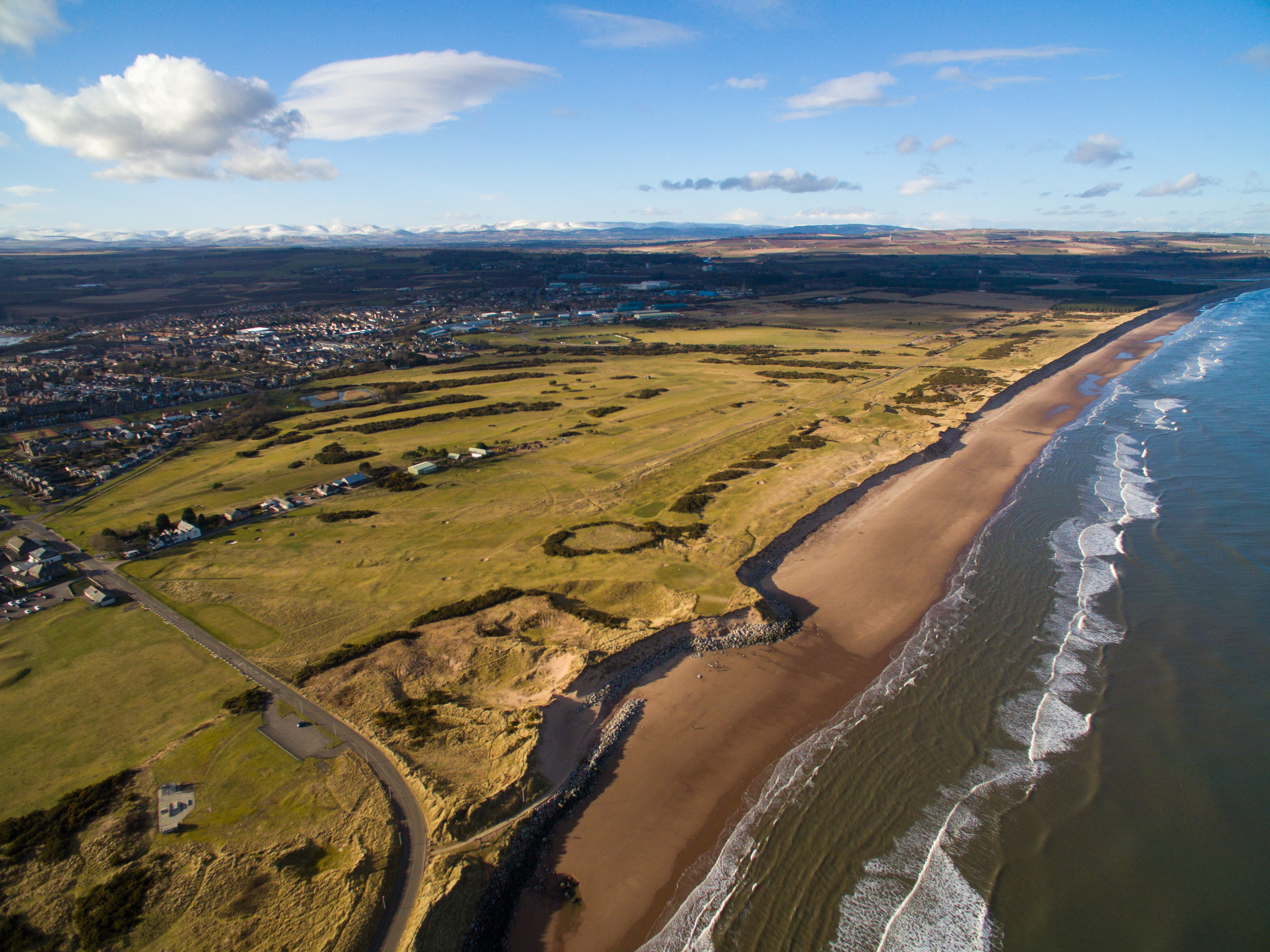
The fifth oldest golf club in the world - golf played here since at least 1562, contemporaneous with the earliest documented references to the game. The Medal Course plays across traditional links ground: firm, fast, exposed to the North Sea wind, and shaped by centuries of play rather than any single architect. Less celebrated than Carnoustie, more accessible, and more historically significant than most of its visitors appreciate.
Monifieth (Medal)
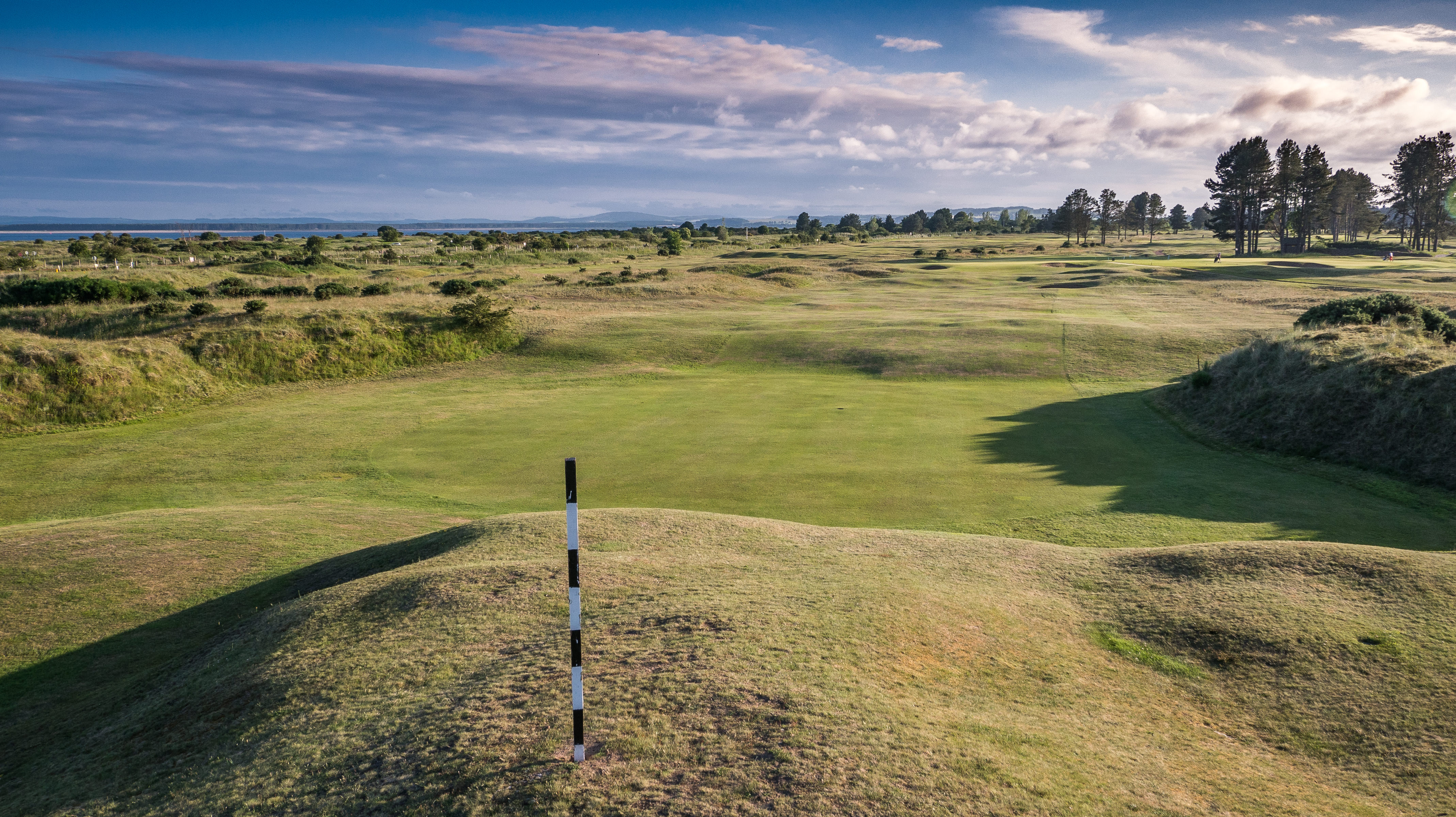
On the Angus coast between Dundee and Carnoustie, Monifieth is one of the most historically significant links in Scotland - golf has been played on the ground since the sixteenth century, and the club's records trace back to 1845. The Medal Course is traditional in character: firm, open to the North Sea wind, and largely unaltered in its essential layout for over a century. It serves as an Open Championship qualifying venue and is regularly used by Carnoustie members as a second course.