Campbeltown
The lost capital.
Once the whisky capital
of the world.
At the end of the Kintyre peninsula, thirty-four miles of single-track road from the nearest main road, a small town makes whisky of irreplaceable character. Thirty-four distilleries at its peak. Three today. And what they produce cannot be found anywhere else.
Campbeltown sits at the southern tip of the Kintyre peninsula - a long finger of land pointing southwest into the North Channel between Scotland and Ireland. In the late nineteenth century it was home to thirty-four working distilleries and was recognised globally as the whisky capital of the world. For a time, Campbeltown single malt was the most sought-after whisky in Scotland.
Today there are three - Springbank, Glengyle, and Glen Scotia - and the Scotch Whisky Association recognises Campbeltown as its own region, despite a production volume that a single large Speyside distillery could match in a week. That recognition speaks to something real: Campbeltown whisky has a character - briny, oily, complex, coastal without being aggressively maritime - that is distinct from every other region and cannot be replicated elsewhere.
Springbank
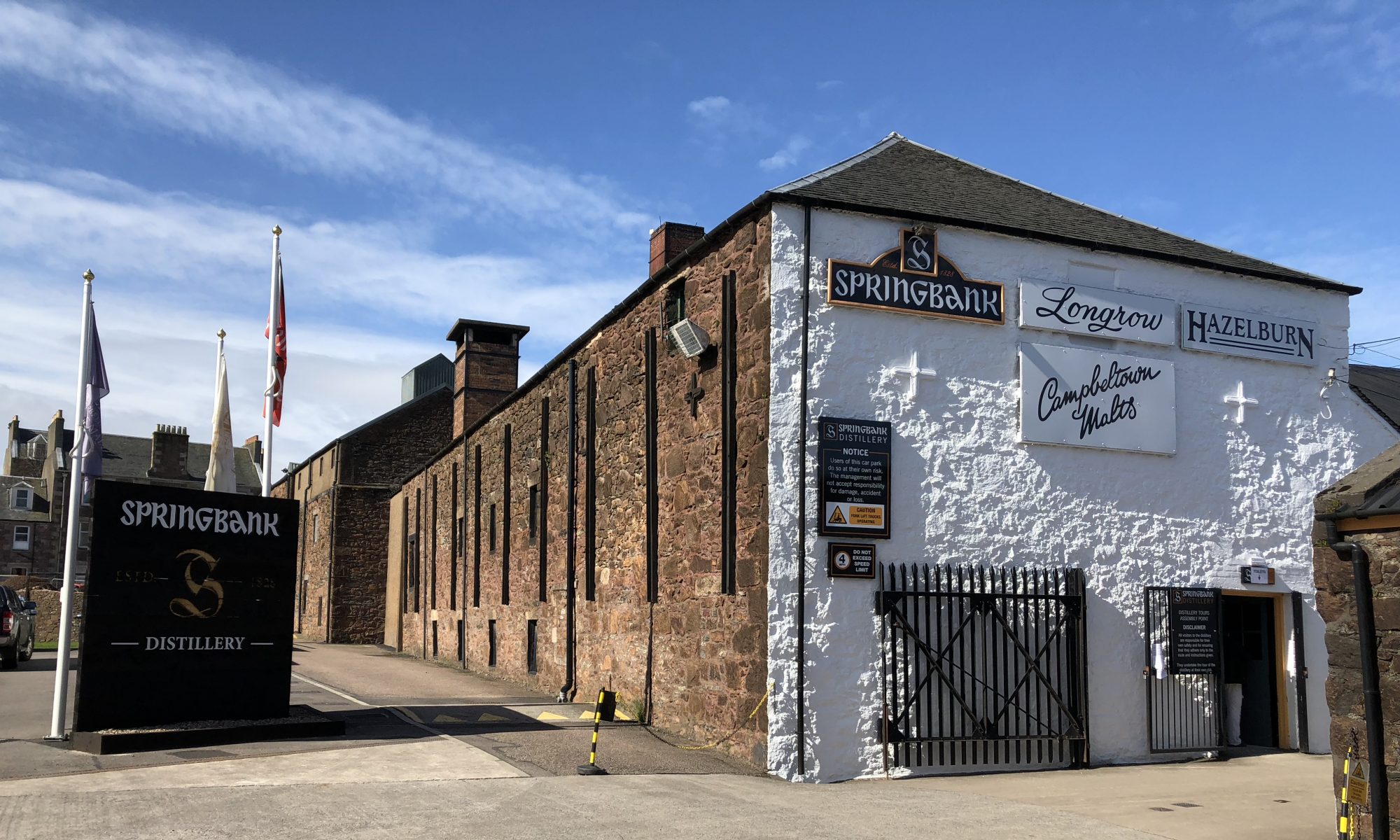
Family-owned since 1828, Springbank malts its own barley on the distillery floor - one of only a handful in the country still to do so - and distills in a unique two-and-a-half times process that gives its spirit a characteristic weight and oiliness. Access is limited and deliberate. The distillery does not operate an open-door visitor policy; experiences are arranged in advance and tend toward the serious end of the spectrum. Bottles from Springbank - particularly the older and cask strength releases - are among the most sought-after in independent retail and at auction.
Bottles worth knowing - Springbank 18 year old Sherry Wood. Released in limited quantities, matured predominantly in first-fill sherry casks. The most emphatically sherried expression in the core range: dried fruit, chocolate, long and warming finish.
Pair with: Machrihanish
Six miles of road between the first tee and the distillery gate. Machrihanish's first hole - a drive across the corner of a beach, into a prevailing Atlantic wind - is one of the most memorable opening shots in golf. Springbank 18 Sherry Wood is one of the most memorable first drams in whisky.
Glengyle
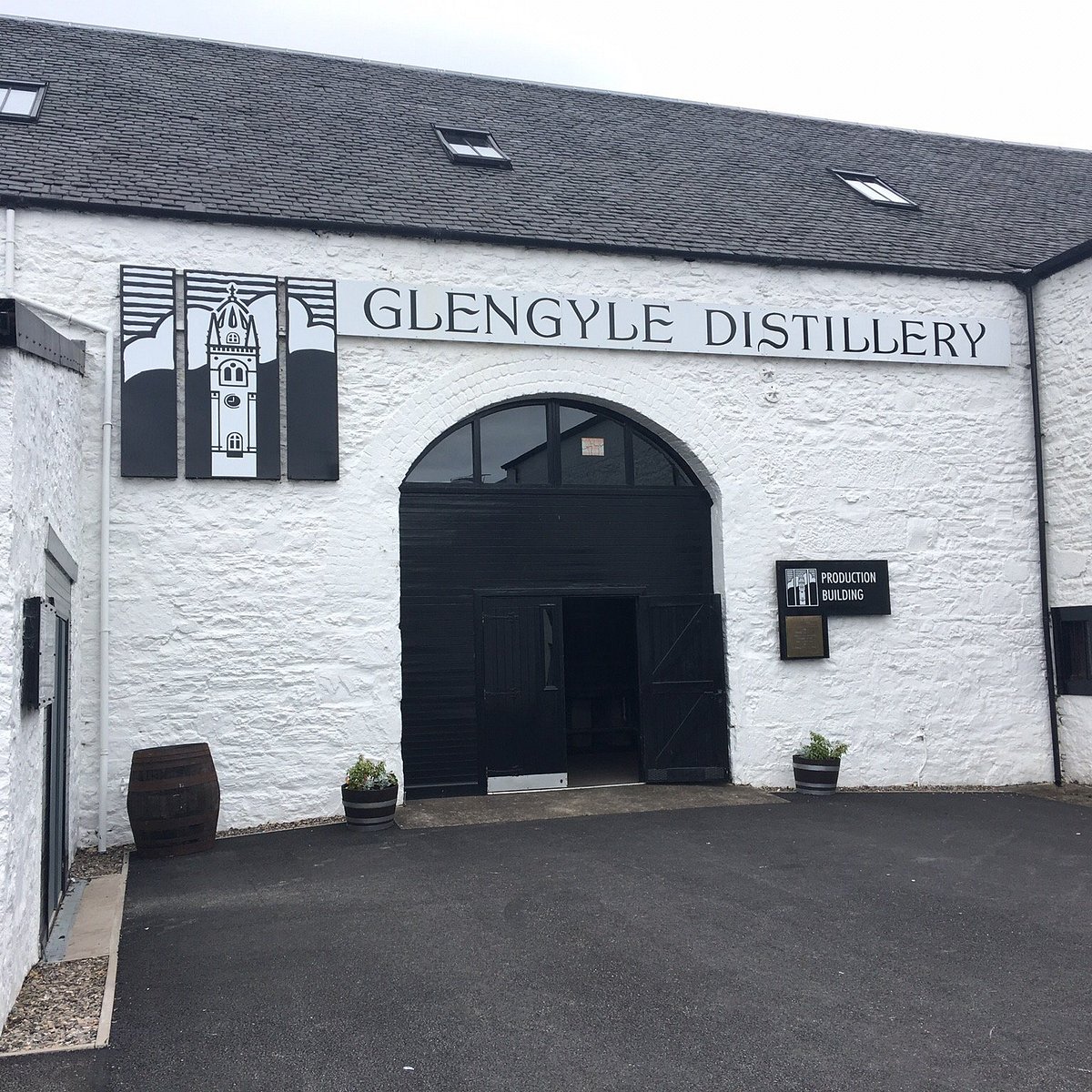
Reopened in 2004, making it the newest distillery in the region — though it occupies a site that produced whisky in the nineteenth century. Glengyle produces whisky under the Kilkerran name (the historical name for Campbeltown). The Kilkerran range is made with characteristic patience: the Work in Progress releases, released annually for over a decade, tracked the spirit's development year by year. The 12 Year Old, now the flagship expression, represents that maturity and is among the most underrated single malts in Scotland.
Bottles worth knowing - Kilkerran 12 year old. The Glengyle distillery's flagship. Matured in ex-bourbon and ex-sherry casks, bottled at 46% without chill-filtration. Lighter and more approachable than Springbank, with a genuine Campbeltown character.
Glen Scotia
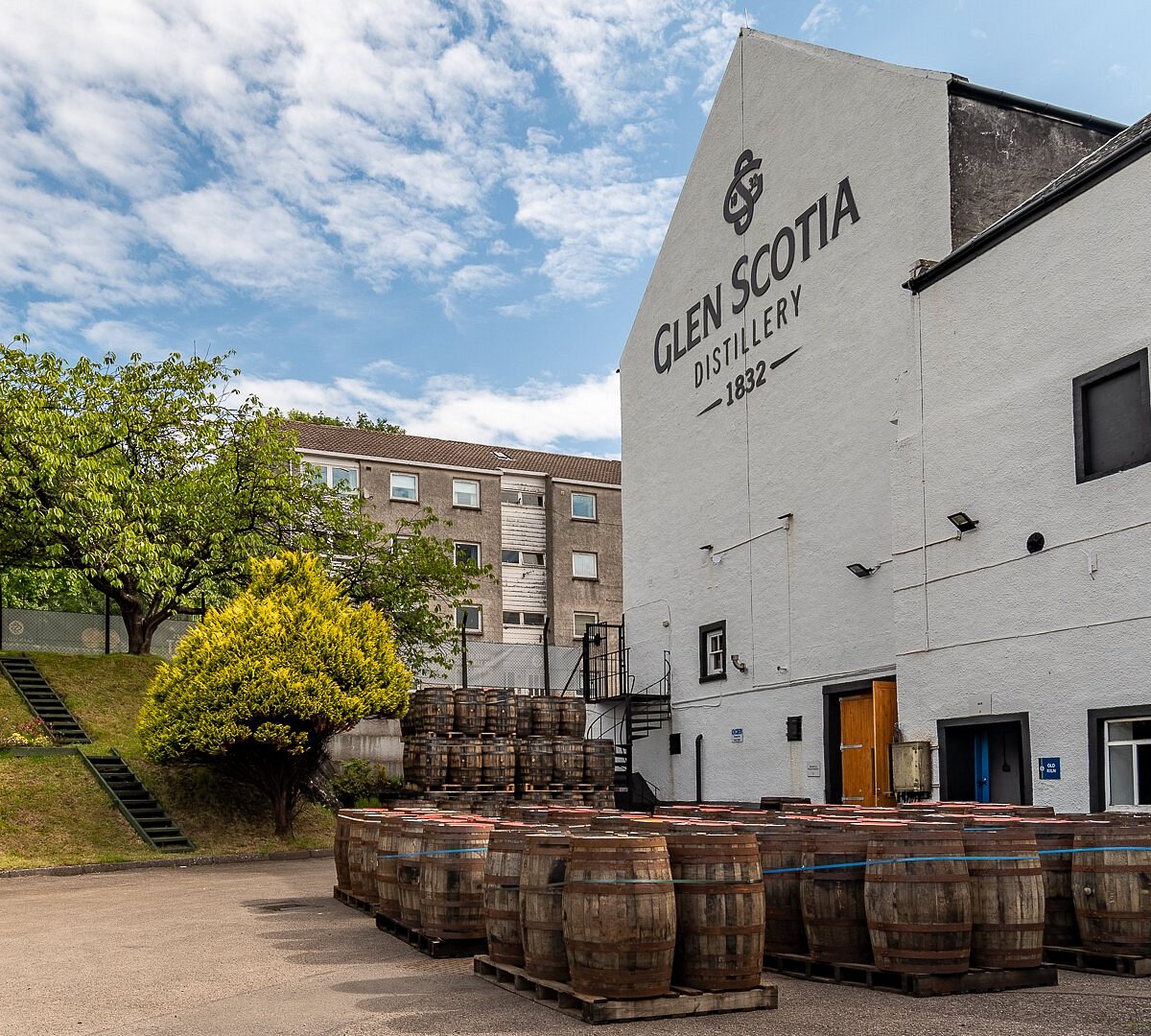
The oldest continuously operating distillery in Campbeltown, founded in 1832. Less celebrated than Springbank, Glen Scotia produces whisky that is genuinely interesting and far more varied in style than its relative obscurity might suggest. The 15 Year Old, finished in Pedro Ximénez sherry casks, and the Double Cask expression are both worth exploring. The distillery has invested significantly in its visitor facilities and is the most accessible of the three for walk-in visitors.
Bottles worth knowing - Glen Scotia 15 year old. Finished in Pedro Ximénez sherry casks. Richer than most Glen Scotia expressions, with the house's characteristic coastal note balanced by the sweetness of the sherry finish.